Some grape varieties seem almost destined for the table. Carménère is one of them. With its distinctive notes of green pepper, herbs, plum, dark fruit and spice, combined with moderate tannins and a generous structure, it can be an exceptionally versatile partner for food.
That is why it is worth revisiting a guide that, although originally published in 2020, continues to offer useful ideas for anyone interested in exploring the gastronomic potential of this remarkable variety. The article, “Carménère Food Pairing: 20+ Perfect Matches,” was written by Anna Maria, a certified sommelier and owner of Chania Wine Tours.
Her approach highlights something wine lovers often discover after exploring the variety: Carménère can perform particularly well with dishes that are not always easy to pair with red wine.
Green Pepper: The Clue Is in the Glass
One of the keys to understanding Carménère's food-pairing potential lies in its aromatic profile.
The variety is often marked by vegetal and spicy notes, including green pepper, herbs, mint and basil, accompanied by plum and dark fruit and, depending on ripeness and winemaking, hints of chocolate and spice.
Far from being a limitation, these vegetal characteristics can become one of Carménère's greatest gastronomic strengths.
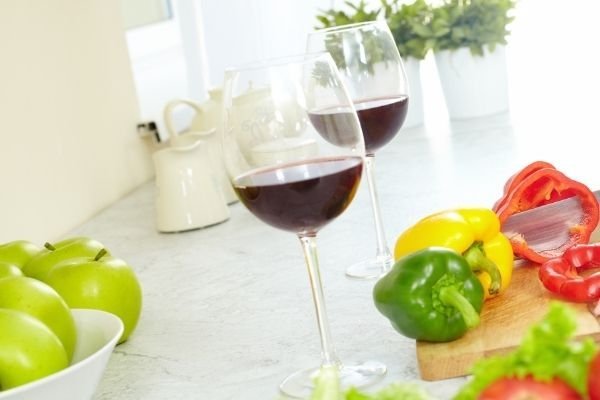
The principle is simple: aromas and flavors in the wine can create a bridge with similar ingredients on the plate. This is why dishes featuring peppers, herbs, tomato-based sauces, chimichurri or roasted vegetables can work particularly well.
And this is where Carménère becomes especially interesting: its character allows it to engage with intensely flavored, spicy and herb-driven cuisines.
Beyond the Steak
When Chilean wine and food are mentioned in the same sentence, grilled meat inevitably comes to mind. Carménère certainly has the structure to stand alongside grilled beef, brisket, pork chops, lamb and grilled meat-and-vegetable skewers.
But limiting Carménère to meat would overlook much of its versatility.
Anna Maria's guide suggests an unusually broad range of pairings, including vegetarian pizza, ratatouille, vegetarian chili, tamales, Tex-Mex dishes, spaghetti alla puttanesca and stuffed vegetables.
This is where Carménère reveals another side of its personality: it does not need a meat-heavy dish to show its strengths.
A Natural Match for Mexican Cuisine
Mexican cuisine is among the more intriguing pairings highlighted in the guide.
Mole, tamales, nachos and Tex-Mex preparations all make an appearance. The reason lies once again in the wine's structure and aromatic profile.
Spices, peppers, smoky flavors and richly seasoned sauces can find an interesting counterpart in a well-made Carménère.
This does not mean there is a single “correct” pairing. Wine and food are ultimately matters of balance, context and personal taste. Rather, the point is to understand why certain combinations can create a particularly harmonious experience.
A Remarkable Story in the Vineyard
Carménère's appeal goes well beyond the glass.
Its history is one of the most fascinating stories in the world of wine.
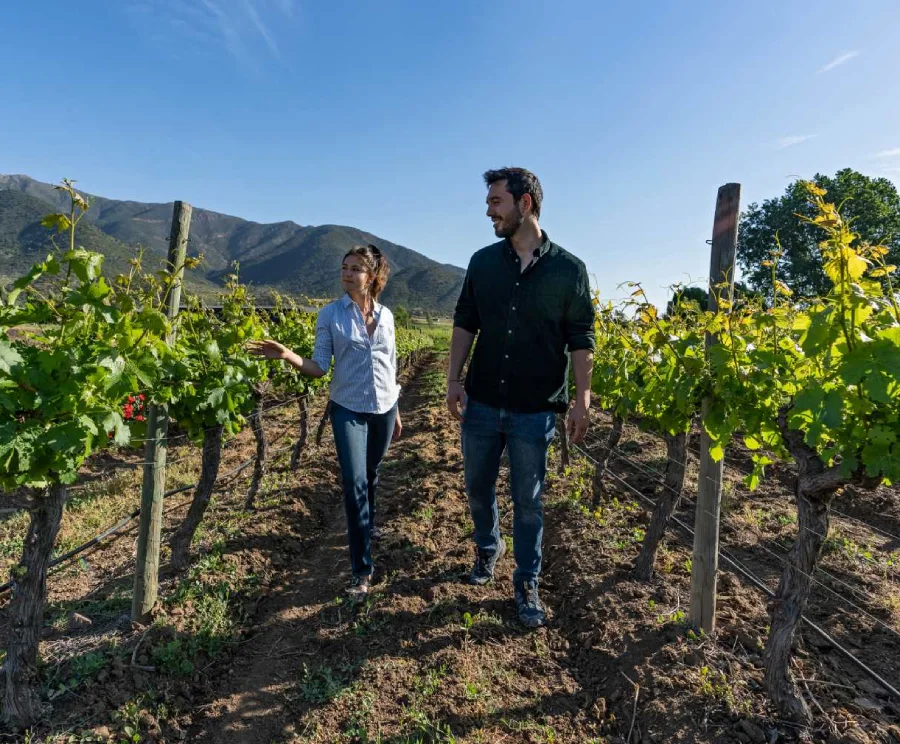
Originally from Bordeaux, the variety virtually disappeared from France following the devastation caused by phylloxera in the 19th century. For decades, Chilean growers believed many of their vines were Merlot. Eventually, DNA analysis revealed that a significant number were actually Carménère.
That discovery changed the variety's history.
Chile became its most important international home, with the country's long growing seasons providing favorable conditions for the grape to reach full maturity.
Today, the Colchagua, Cachapoal and Maipo valleys are among the Chilean regions strongly associated with Carménère.
What Does Carménère Taste Like?
A typical Carménère can offer an appealing combination of ripe fruit and herbal character.
On the nose, one may encounter plum, blackberry, chocolate, green pepper, herbs and spices. On the palate, it is generally a dry red wine with medium to medium-full body, moderate acidity and tannins that can vary considerably according to vineyard location, grape maturity and oak aging.
One practical consideration is serving temperature. Carménère is often better enjoyed slightly cooler than traditional room temperature. This can help preserve its freshness while allowing both its fruit and spicy character to emerge.
More Than Twenty Ways to Explore Carménère
One of the strengths of Anna Maria's article is that it presents food pairing not as a rigid set of rules, but as an invitation to experiment.
Among her suggestions are:
- Bucatini all'Amatriciana
- Tri-tip sandwiches
- Mole sauce
- Chimichurri
- Tex-Mex cuisine
- Stuffed green peppers and gemista
- Brisket or Chilean plateada
- Roast lamb with Provençal herbs
- Italian sausage with roasted peppers
- Vegetarian pizza
- Turkey burgers
- Spaghetti alla puttanesca
- Italian beef
- Loaded nachos
- Grilled pork chops
- Tamales
- Ratatouille
- Jerk chicken
- Vegetarian chili
- Grilled meat and vegetable skewers
- Pepper Jack cheese
The list leads to an important conclusion: Carménère is not simply a wine for pairing with a traditional Chilean steak. Its aromatic profile opens the door to a much wider gastronomic world.
A Recommended Read for Wine Lovers
At a time when wine consumers increasingly want to understand what lies behind the bottle, food-pairing guides are particularly valuable when they turn technical information into something practical.
Anna Maria's article does exactly that. It begins with Carménère's sensory characteristics and takes them directly to the plate.
For those who already enjoy Chilean Carménère — and for those who have yet to discover its full potential — it is a worthwhile read before planning the next meal.
Because perhaps one of the best ways to understand Carménère is not simply to taste it on its own, but to place it alongside a dish featuring peppers, herbs, spices, tomatoes or roasted vegetables and discover what happens between the glass and the table.
And if there is a fitting occasion to do so, it is November 24, International Carménère Day.
Recommended Original Article
“Carménère Food Pairing: 20+ Perfect Matches” by Anna Maria, published by Unraveling Wine. https://unravelingwine.com/carmenere-food-pairing/